
Imagine spending months planning and launching an incentive travel program only to have everyone forget about it by the time winners are announced. This is a common challenge companies face with incentive travel programs. Investing in an unforgettable travel experience is important, but failing to maintain momentum throughout the qualification period can lead to declining motivation, lower participation, and a diminished return on investment.
The good news is there is a simple yet powerful solution. Strategic, consistent marketing and promotion throughout the year is the missing ingredient that separates successful programs from forgotten ones.
Why Incentive Programs Fail
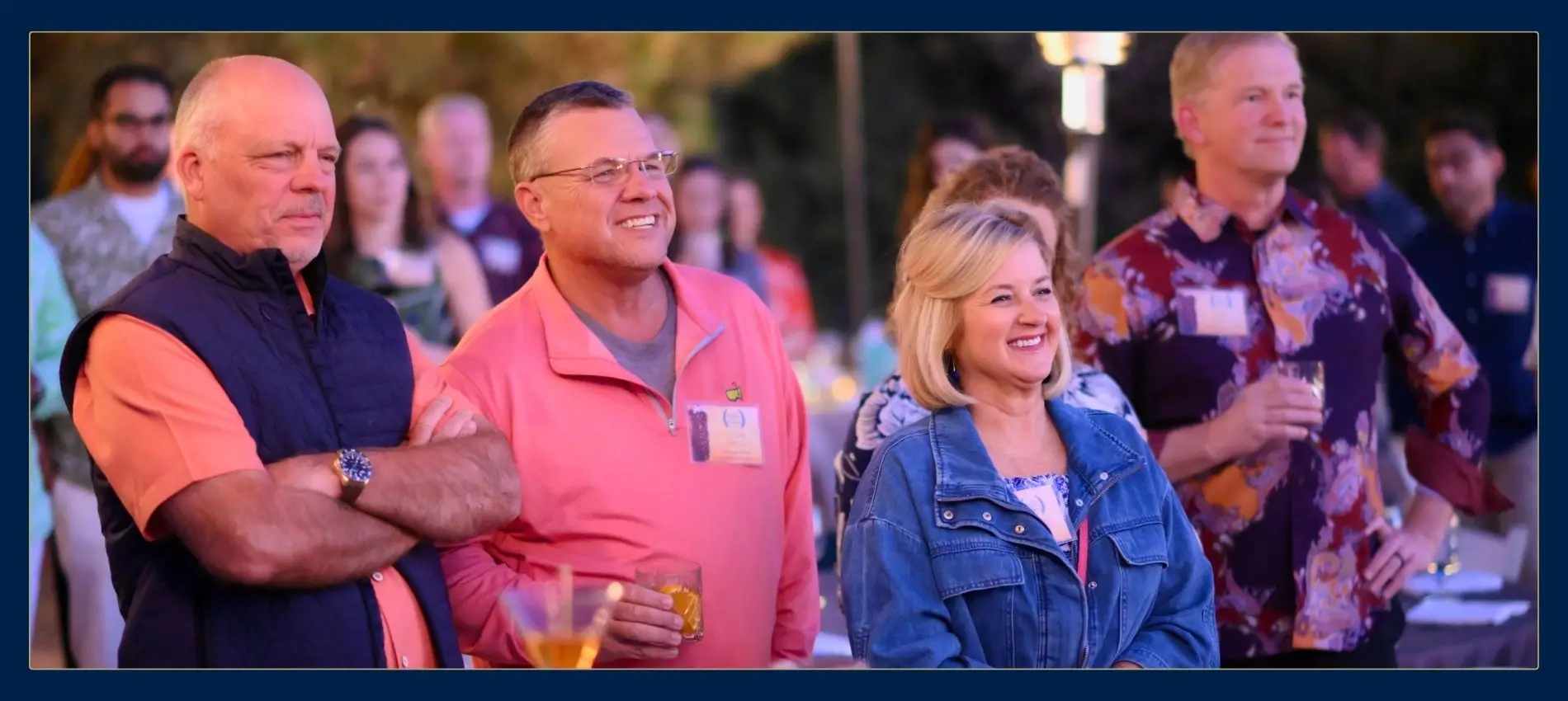
The reason most incentive programs fail is due to a common mistake: they are announced and then forgotten. Often, tremendous effort goes into launching a program, but once that initial excitement wears off, it can be tricky to get it back.
When an incentive travel program is not at the forefront of communication, several challenges can occur:
Motivation decreases because participants are no longer regularly reminded of the reward.
Qualification rates often decline as participants lose sight of their goals.
Organizations may also see reduced ROI on their travel investment because fewer people remain actively engaged in the program.
Participants can begin to forget what they’re working toward, making it difficult to stay excited about earning the experience.
The bottom line is simple: failing to maintain excitement around an incentive is a surefire way to miss out on the full power of incentive travel. Fortunately, there’s a straightforward solution.
The Power of Visual Marketing
One surefire way to keep your program alive and exciting is with a strategic, engaging marketing plan. People respond to visual engagement, making destination-focused marketing a powerful tool for sustaining interest throughout the program lifecycle. The more participants can picture themselves experiencing the reward, the more motivated they’ll be to earn it.
One of the primary goals of incentive marketing is creating desire for the experience. Some of the most effective ways to do that include:
Destination videos and photos
Bring the destination to life with stunning imagery that allows participants to visualize themselves on the trip. While videos are dynamic and immersive, high-quality photos and static graphics can be just as effective when used consistently throughout the program.Social media-style content featuring the resort, activities, and experiences
This short-form, highly visual content can be extremely engaging for participants. It provides just enough content in a bite-sized, easily digestible format that feels fresh and exciting.FOMO-driven marketing and friendly competition
Create excitement by showcasing previous winners’ experiences, positioning the incentive as highly exclusive, and reminding participants what’s at stake. Foster healthy competition by incorporating monthly leaderboards and participant spotlights.
The goal is to continually share what your guests are working toward and why it is worth their effort.
Intentional Communication Throughout the Program Lifecycle
Strategic marketing is most effective when it is integrated throughout every stage of the incentive program. Rather than relying on a single announcement, create a communication strategy that supports engagement from qualification and launch through execution.
Qualification Phase: Create Immediate Impact
The qualification phase is the perfect opportunity to generate excitement and establish momentum. Start by developing a compelling theme tied to the destination. A strong theme creates a memorable identity for the program and helps all communications feel connected.
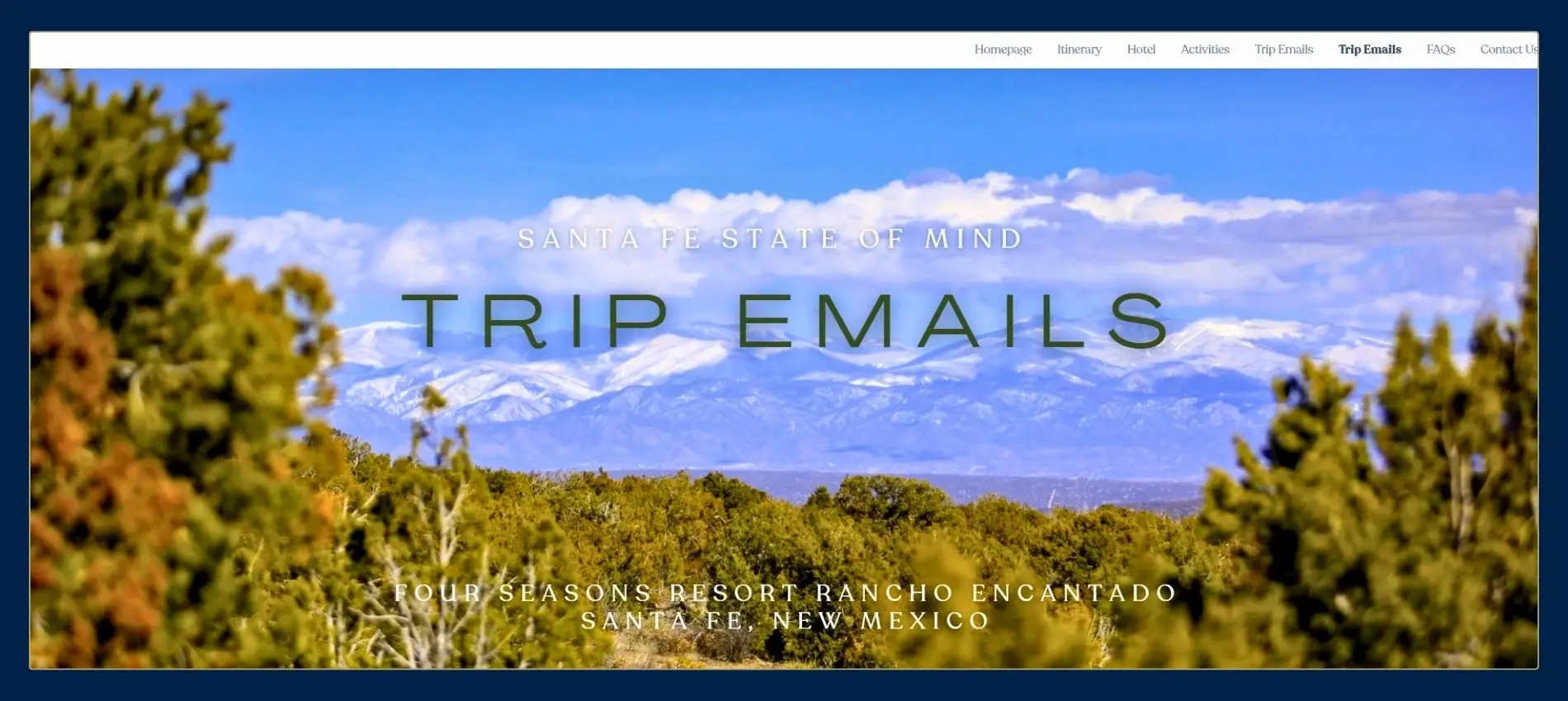
Consider sending teaser campaigns before the official announcement to build anticipation. Once the program launches, create a dedicated website where participants can register, monitor their progress, and access important information. High-quality kickoff materials should showcase both the details of the program and the experiences participants could earn by qualifying.
Maintenance Phase: Keep It Front and Center
Many programs lose momentum during the middle months because communication becomes inconsistent. This is where a regular marketing cadence becomes essential.
A consistent communication cadence, whether bi-weekly or monthly, helps keep the destination and reward top of mind. Share updates about the resort, featured experiences, local attractions, dining options, and unique activities. These touchpoints prevent the program from fading into the background and continually remind participants what they’re working toward.
It’s also important to recognize that different people are motivated by different aspects of a destination. Highlight adventure activities for thrill-seekers, relaxation amenities for wellness enthusiasts, cultural experiences for explorers, and dining opportunities for food lovers. By showcasing a variety of experiences, you broaden the appeal of the reward.
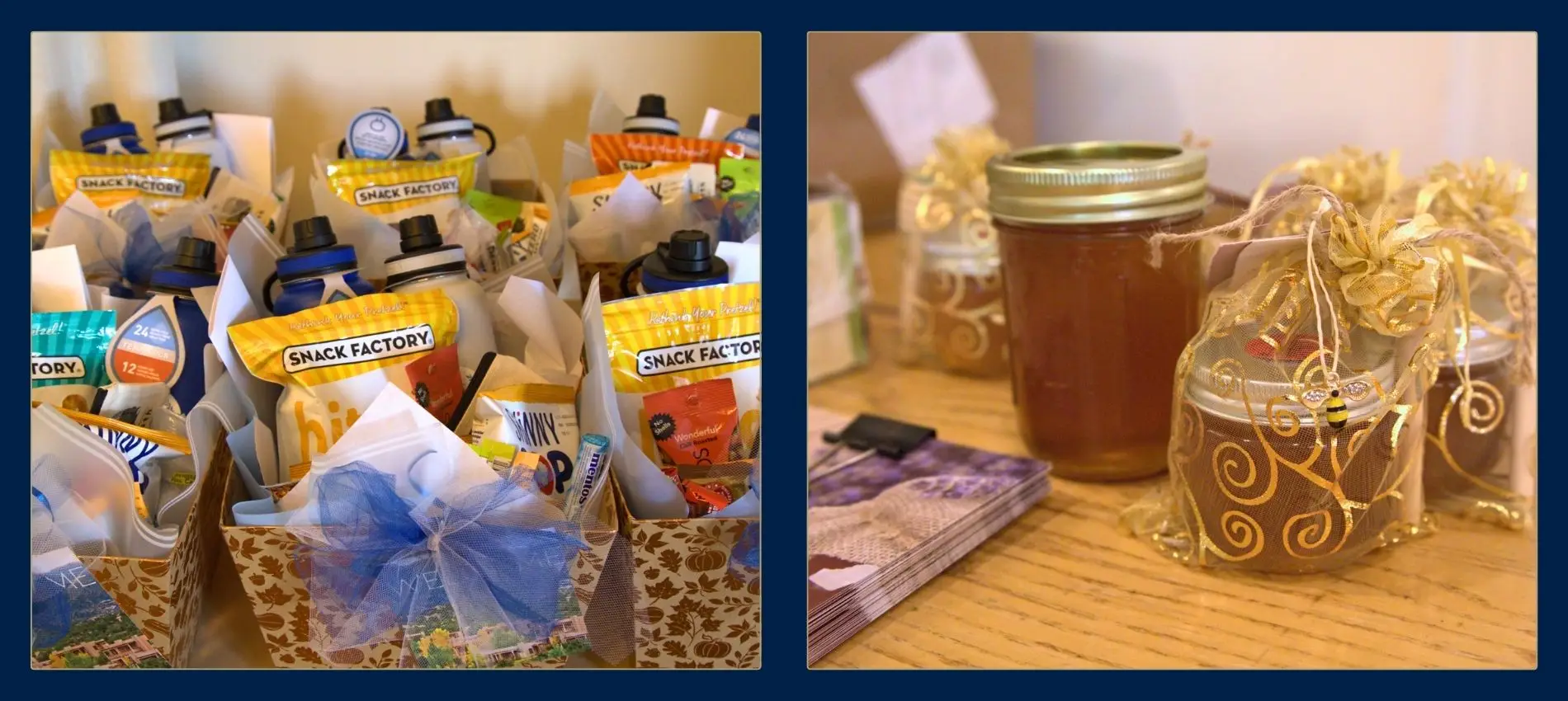
To generate even more excitement, consider sending destination-themed gifts directly to participants’ homes. A small pre-travel gift can create a memorable touchpoint and make the reward feel more real and attainable.
Competitive Motivation: Transparency and Recognition
Healthy competition can be a powerful engagement tool when used effectively. Providing monthly qualification status updates helps participants understand exactly where they stand and what they need to do to earn the trip. Leaderboards can foster friendly competition while creating additional visibility for the program.
Consider recognizing stand-out and top performers throughout the qualification period. Monthly participant spotlights, achievement announcements, and success stories celebrate progress and encourage others to stay engaged.
Recognition Phase
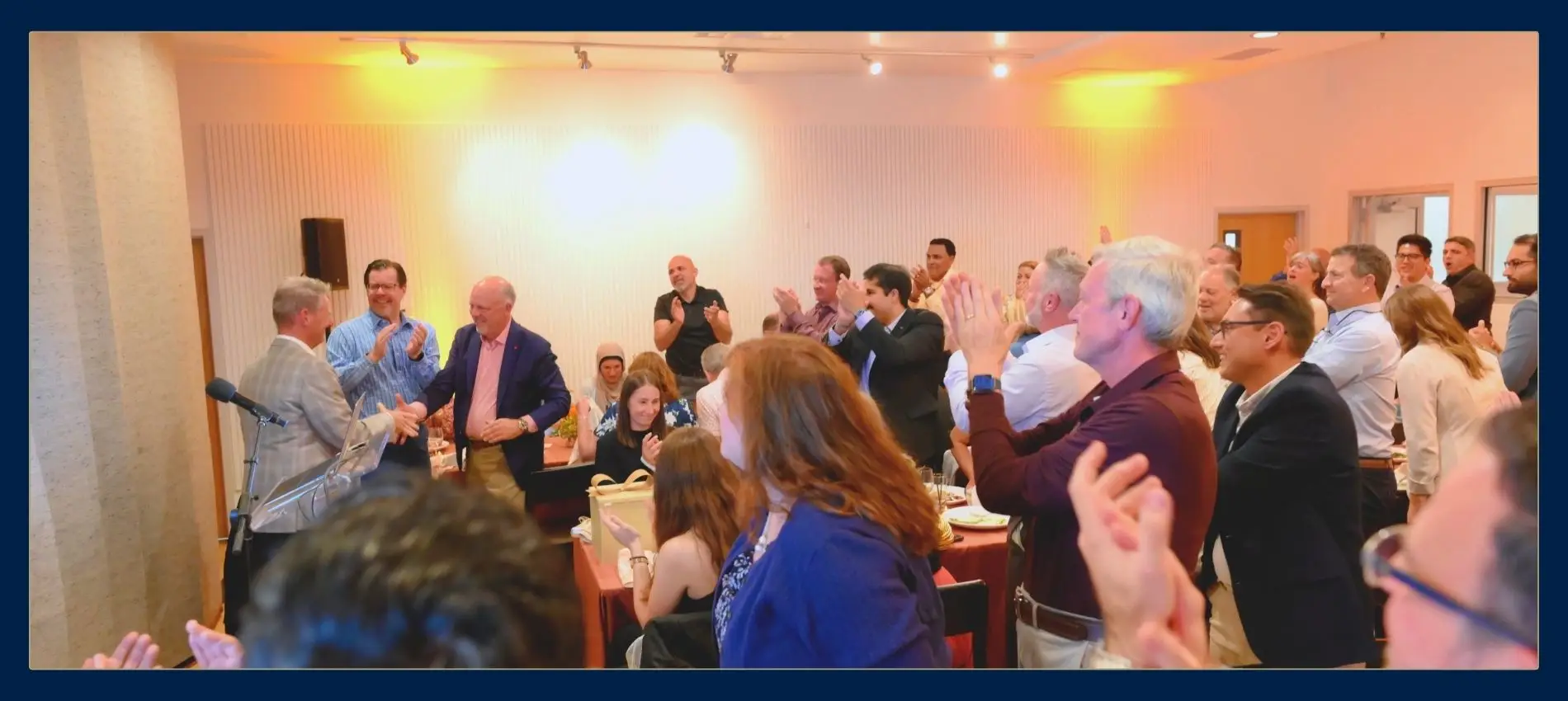
The marketing effort shouldn’t stop when winners are announced. Recognition is an important part of the overall experience. Customized winner announcements, whether digital or physical, make qualification feel like a significant accomplishment. Destination-specific gifts can add an additional layer of excitement. These final touchpoints reinforce the value of the achievement and build anticipation for the trip itself.
The ROI of Strategic Marketing
Strategic marketing does more than create excitement. It directly impacts participation, qualification rates, and the overall success of an incentive travel program. When participants consistently see, hear about, and engage with the reward, they’re more likely to stay motivated and work toward earning it.
Effective program marketing delivers measurable benefits:
Increased program awareness = higher participation
Consistent communication = sustained motivation
Better engagement = improved qualification rates
Enhanced participant experience = stronger organizational culture and loyalty
A greater return on experience, not just return on investment
However, even the best incentive travel program can fall short if marketing efforts are neglected. Some of the most common pitfalls to avoid include:
Underbudgeting for communication and promotion. Marketing should be viewed as part of the incentive investment, not an afterthought.
Relying solely on email in an era of inbox overload. People are bombarded with messages every day. A multi-channel approach helps keep the program visible and engaging without risking your communication efforts going unnoticed.
Treating the launch as a one-time announcement. Without ongoing communication, excitement fades and participants lose sight of the reward.
Using generic messaging that fails to inspire. The destination, experiences, and exclusivity of the trip should be showcased in a way that creates genuine excitement.
Failing to connect the reward to daily performance. Your people should regularly understand how today’s actions help them earn tomorrow’s experience.
The difference between a high-performing incentive program and one that struggles often isn’t the destination or the budget. It’s the consistency of the marketing strategy behind it.

The best travel incentive in the world won’t drive results if people forget about it.
That’s why investing in marketing and promotion is not optional. It’s essential. With a strategic, year-long communication plan, an incentive program can transform from a forgotten announcement into a powerful motivator that drives participation, excitement, and results.
Contact our Sales & Marketing Advisor, Taylor, to learn how a year-round marketing approach can maximize the impact of your next incentive travel program.